What happened?
Management consultancy Dr. Wieselhuber & Partner (W&P) has published its Trend Radar for 2027, providing an overview of the themes set to occupy the security technology industry most in the coming year. At the heart of the analysis lies the question of where "management attention" — i.e., the perceived relevance within companies — is highest. The analysis rates various thematic fields on a scale from 1 (not relevant) to 6 (highly relevant) and identifies four central trends that, according to W&P, will shape the industry in 2027.
The details
Simon Moser, Head of Industrial Automation, Electrical and Security Technology at W&P, sums up the report's key message: by 2027, security will become a question of resilience. Companies that fail to think of physical security, cybersecurity, and artificial intelligence as integrated will lose relevance and competitiveness. From this, the Trend Radar derives four concrete lines of development.
Cyber resilience becomes a market entry criterion
With rising regulatory requirements and increasing connectivity of security-critical systems, cybersecurity is becoming, according to the trend report, a fixed component of every security and IT product. Manufacturers must therefore be able to demonstrate security-by-design, update capability, and lifecycle security. According to W&P, those who integrate compliance into development, product management, and service at an early stage gain time and secure lasting competitive advantages.
AI evolves from a feature to a security control center
According to the consultants' assessment, artificial intelligence is increasingly taking on core functions within modern security architectures. Video analysis, anomaly detection, and event assessment are merging into intelligent situational awareness. The challenge lies in managing large volumes of data, ensuring regulatory compliance, and establishing robust governance. According to the trend report, successful providers combine high detection quality with transparency and traceability.
Security-as-a-Service displaces the hardware focus
Customers increasingly expect holistic security solutions with ongoing updates, remote services, and guaranteed availability — rather than one-off hardware investments. As a result, value creation is shifting from hardware to recurring service revenues. According to the consultants' recommendation, providers must realign sales, organization, and pricing logic, as well as build scalable service platforms, in order to secure long-term customer loyalty and stable earnings.
Integrated security ecosystems replace isolated solutions
The boundaries between access control, video surveillance, alarm technology, and cybersecurity are increasingly blurring. Operators are demanding end-to-end security architectures with central data platforms and unified user interfaces. Manufacturers therefore face the task of providing open system landscapes and standardized interfaces. According to the Trend Radar, competitive advantages arise wherever complexity is reduced and different security domains are seamlessly connected.
Context
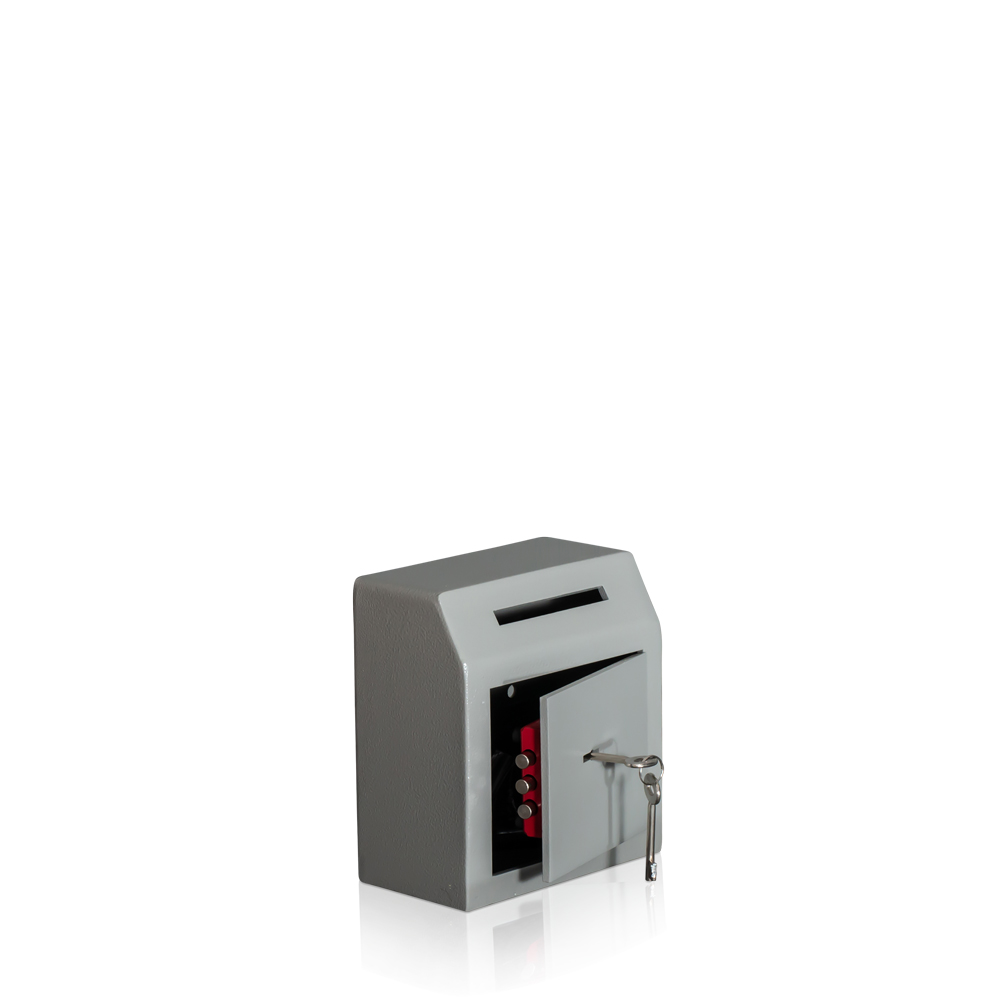
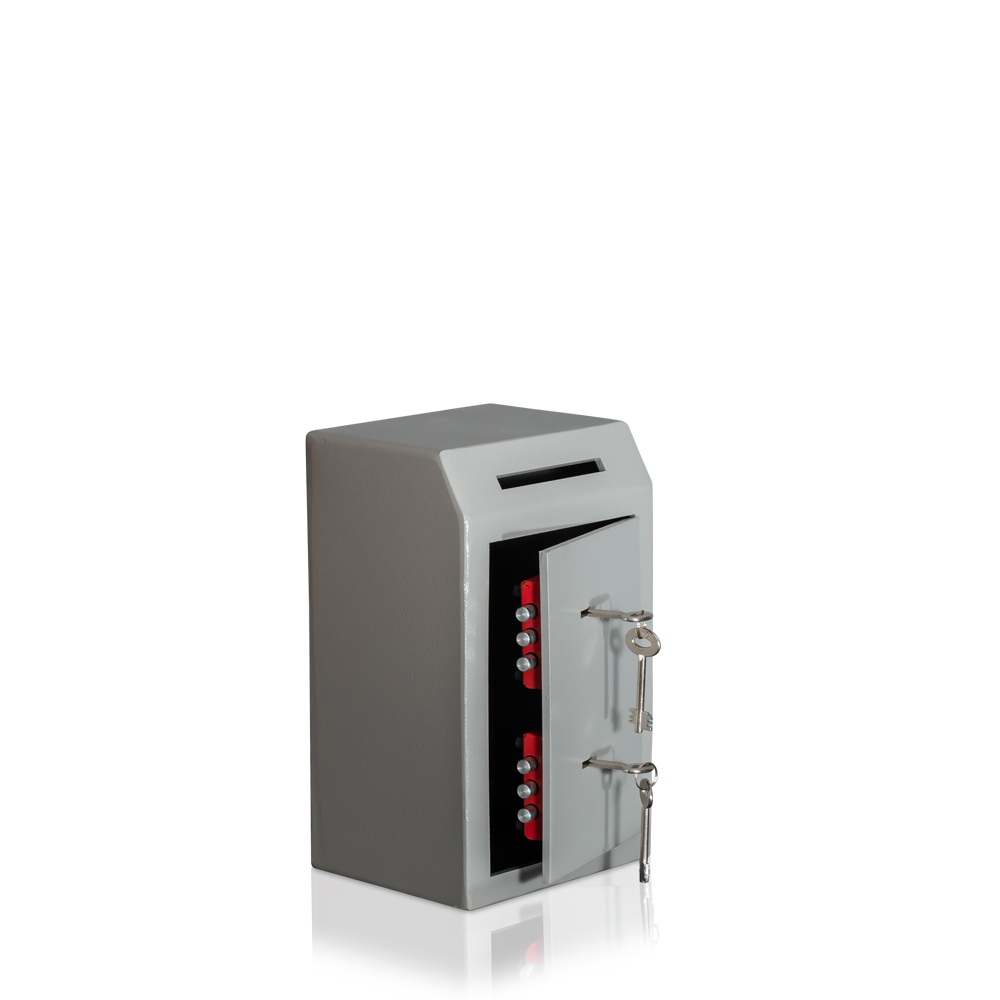
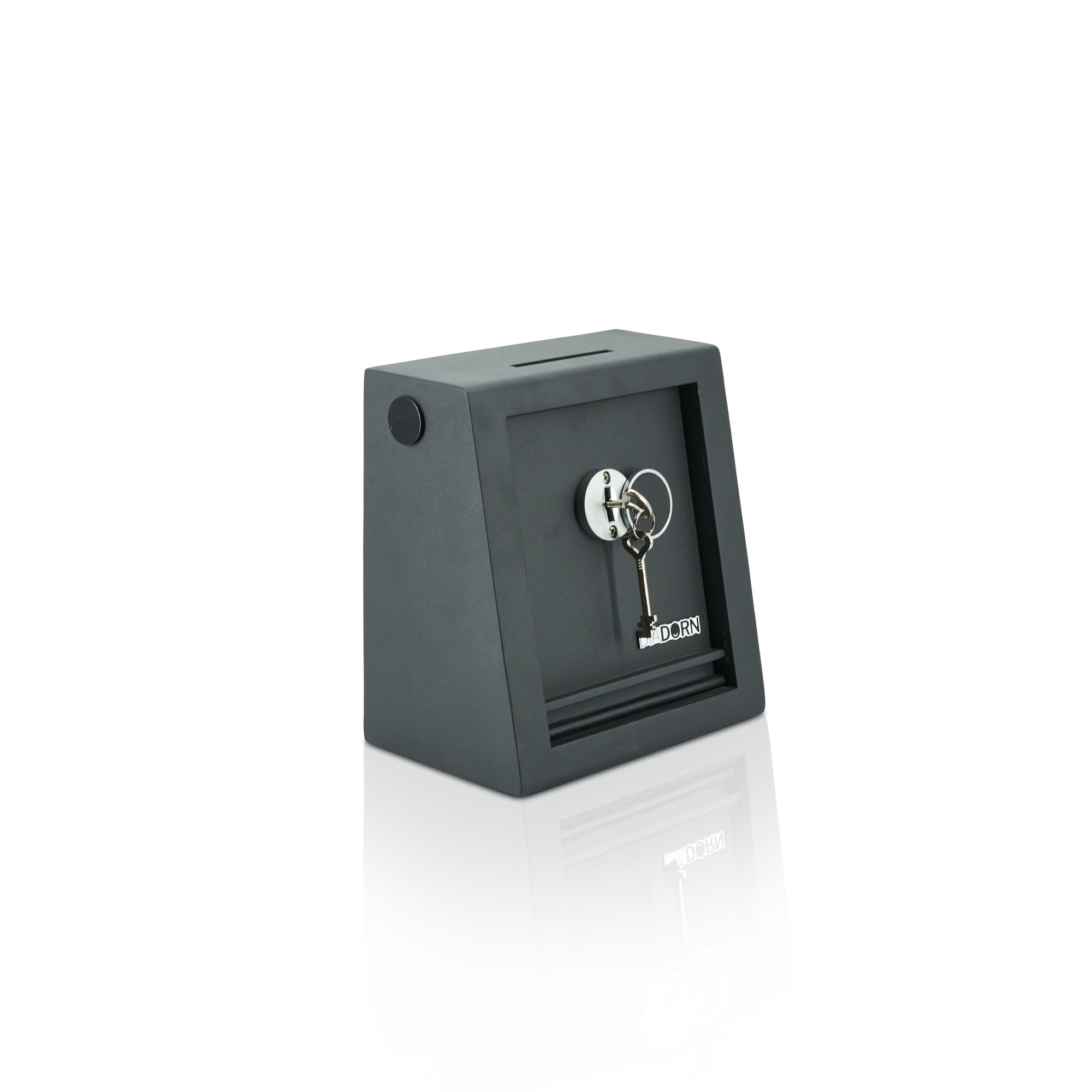
For specialist dealers, installers, and planners in the security technology sector — whether in alarm systems, video surveillance, burglary protection, or access control — the Trend Radar marks a clear shift in direction: away from a pure hardware perspective and toward integrated, software-driven, and service-oriented solutions. Anyone still thinking primarily in terms of individual components — such as a standalone deposit safe, a separate church offertory box, or a single access solution like a ward hub — must prepare for customers increasingly demanding networked, centrally managed overall systems. The convergence of physical security and cybersecurity is by no means limited to large corporations or critical infrastructure anymore; it is set to extend, in perspective, across all application areas of the industry.
Practical tips
- Align product development and service early on with security-by-design and update capability, so as not to have to meet regulatory requirements only after the fact.
- When it comes to AI-supported solutions, pay attention to the transparency and traceability of detection results, not just the raw detection rate.
- Review business models and pricing logic: anchor recurring service revenue, rather than one-off hardware sales, as a strategic goal.
- Consider open interfaces and interoperability as a decision criterion when selecting new systems, in order to avoid isolated solutions later on.
Outlook
The 2027 Trend Radar from Dr. Wieselhuber & Partner paints the picture of an industry in transition, in which physical security, cybersecurity, and artificial intelligence are increasingly converging. According to the consultants' assessment, companies that drive this integration forward early and adapt their organization, products, and sales models accordingly are likely to secure competitive advantages. For the security technology industry, this means that strategic course-setting — for instance toward service-based business models and integrated ecosystems — should be tackled not in 2027, but starting now.