Electronic lock or key lock: which option is right for your safe?
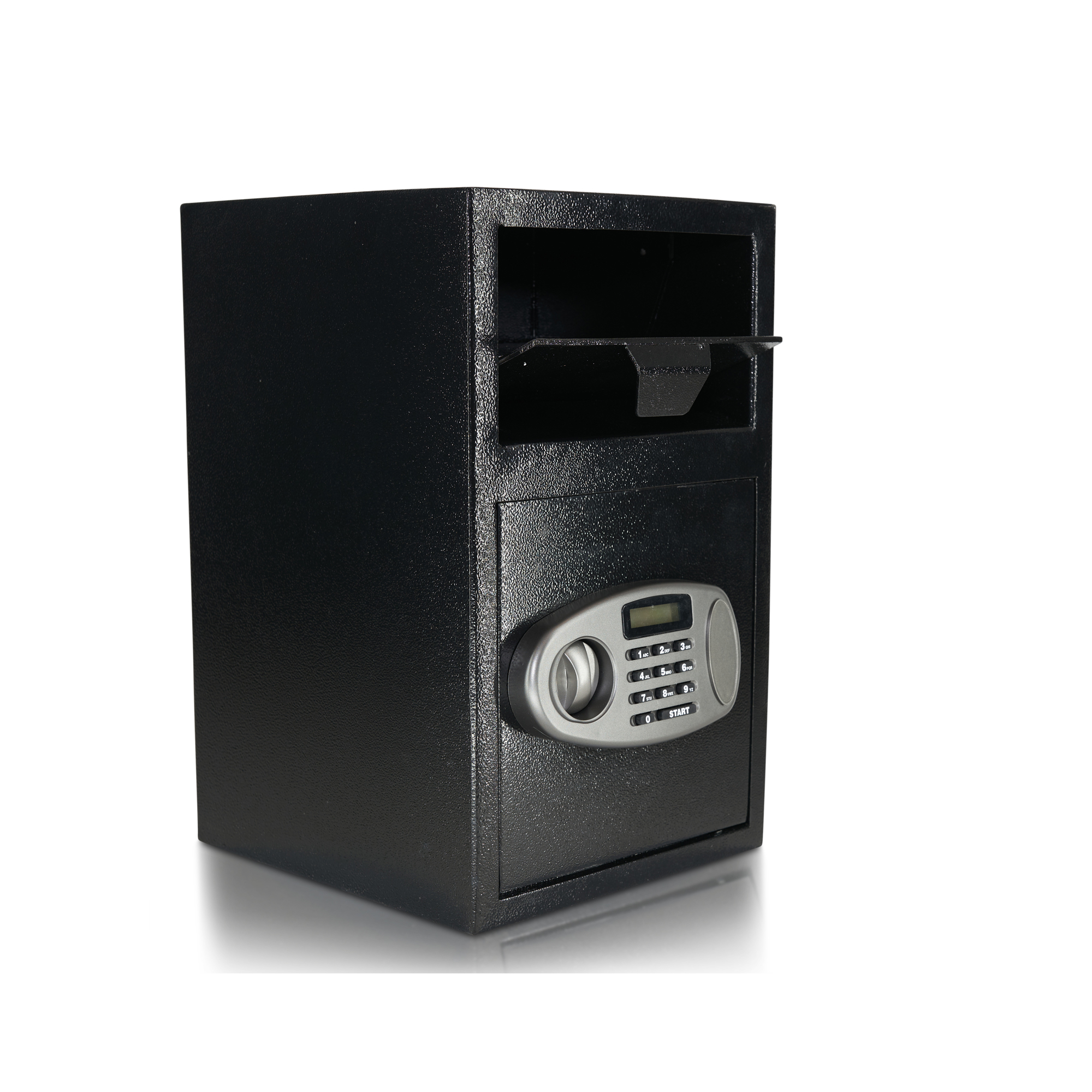
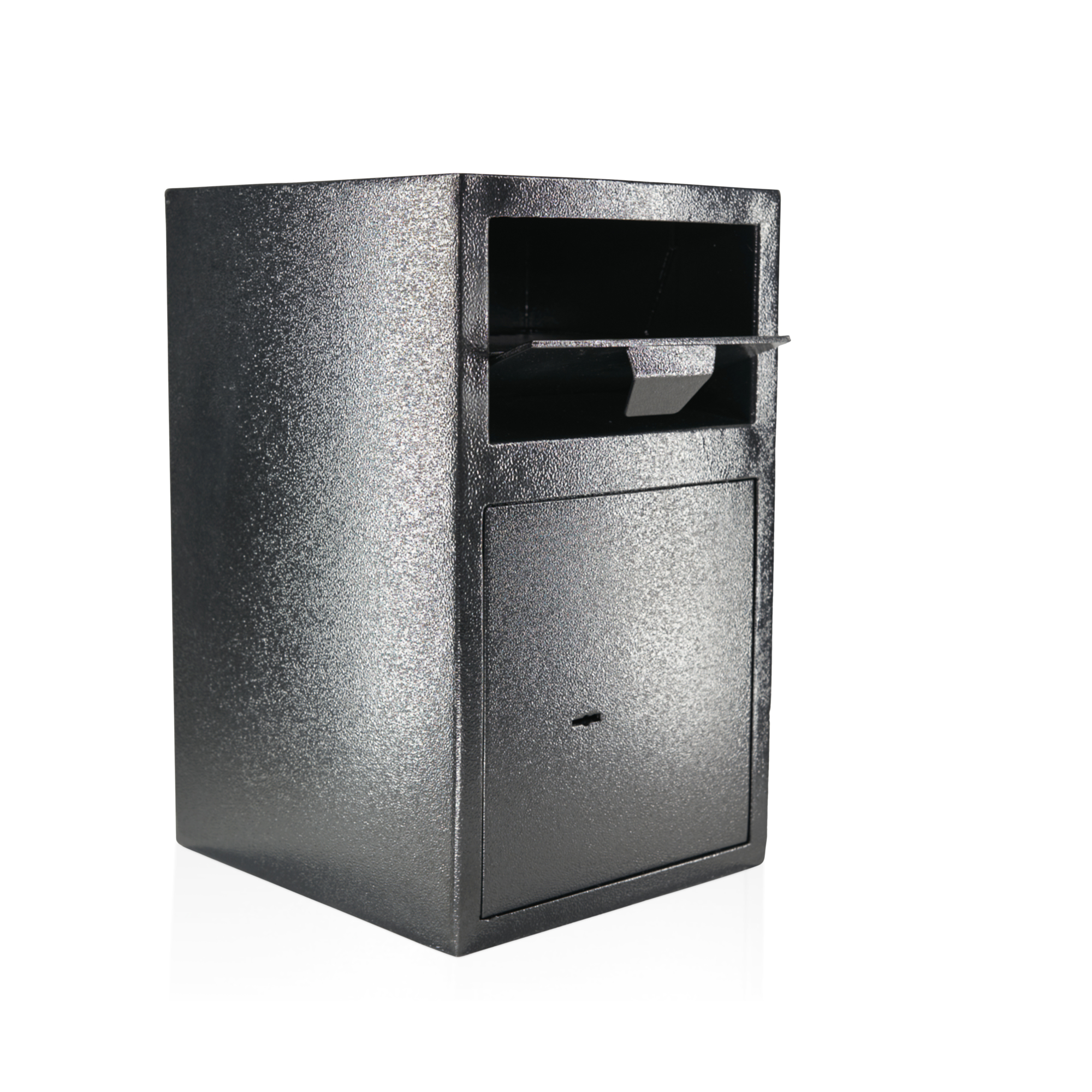
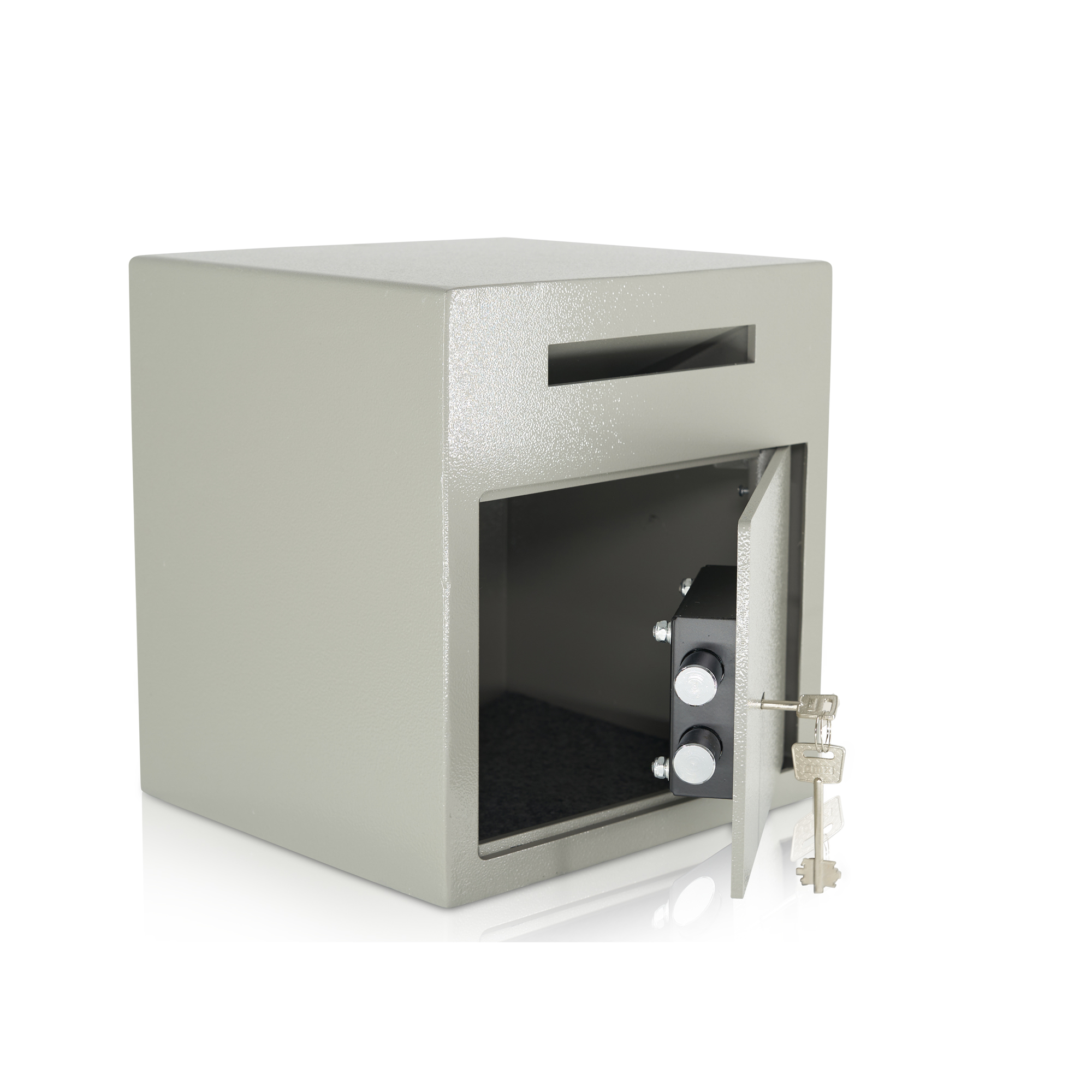
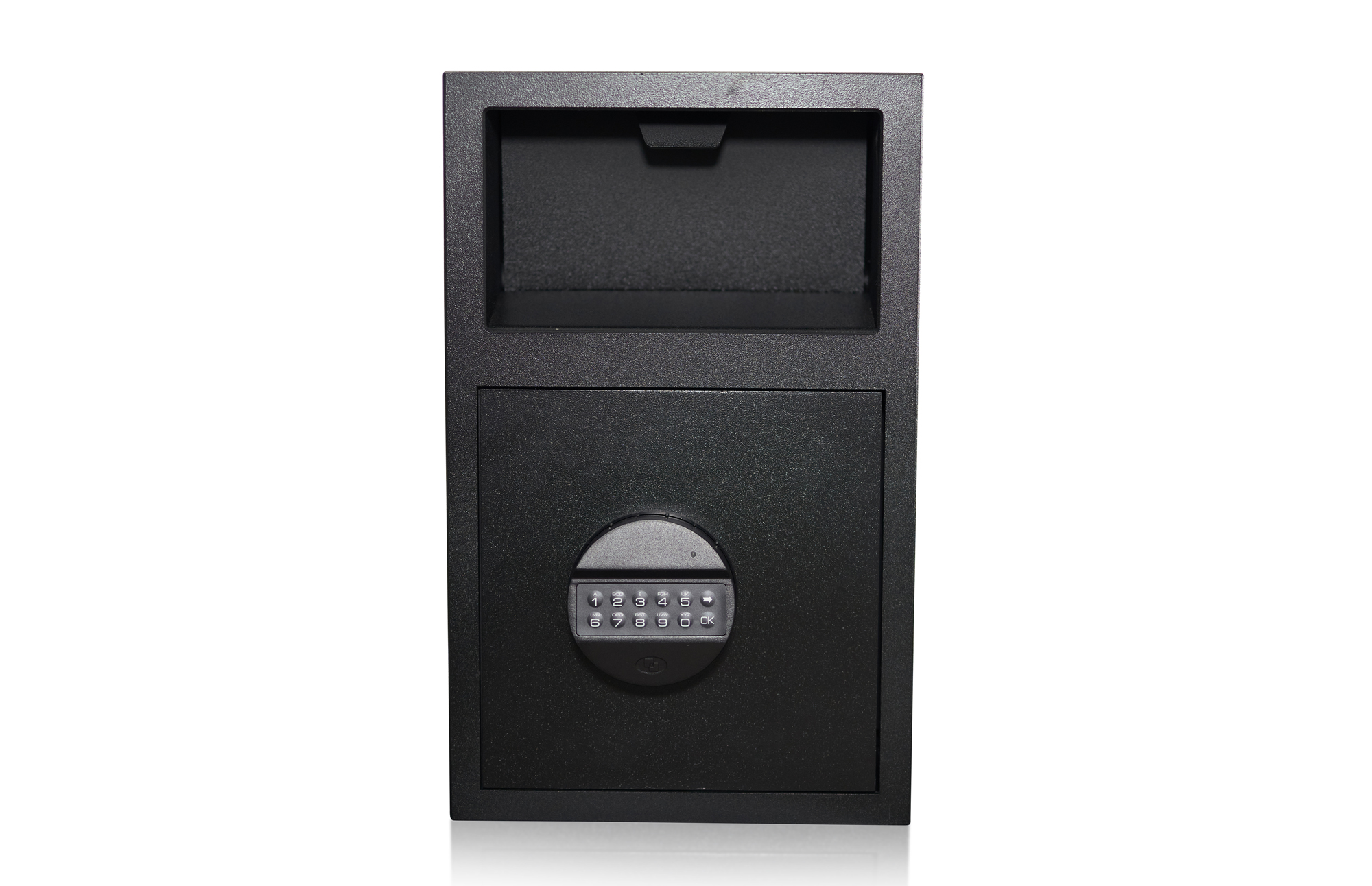
The world of safes has developed strongly in recent years, and one of the decisive features when choosing a safe is the type of lock. Two main options are available here: the electronic lock and the traditional key lock. Both have their advantages and disadvantages, and the choice between them depends on your individual needs and preferences.
Electronic lock: the convenience of the 21st century
The clear development trend is towards electronic locks, and for good reason. They offer unparalleled convenience that is invaluable in today's fast-paced world. Here are some of the main advantages of electronic locks:
- No lost keys: keys can easily get lost or stolen. With an electronic lock you don't have to worry about losing your key.
- Code can be changed: you can change the access code to your safe at any time, which provides an additional level of security.
- No need to carry a key: there is no physical key you have to carry with you. You open your safe simply with a code or even a fingerprint.
However, there are some important things to consider when choosing an electronic lock. Make sure it has an emergency key or backup power supply in case the batteries run flat or need replacing. This prevents you from being stuck in an awkward situation.
Fingerprint scan lock: high-tech convenience with limitations
An interesting variant of the electronic lock is the fingerprint scan lock. It offers similar advantages to a conventional electronic lock, since it requires no physical key and makes memorising a code unnecessary. The big advantage is that you can open your safe with your fingerprint. This provides a high level of security and convenience.
However, there is one decisive disadvantage: a fingerprint scan lock is person-bound and can only be opened by you. Even in an emergency, the key or fingerprint cannot be passed on. This can be impractical in certain situations, for example if you need to give someone else access to your safe.
Key lock: the time-tested option
For those who don't want to memorise a code, or who don't want any electronic components in their safe, a key lock is still a solid choice. Here are some of the advantages and disadvantages of a key lock:
- No code to remember: you don't need an access code, which is particularly beneficial for those who have difficulty remembering codes.
- No electronic problems: key locks have no batteries or electronics that could break. This makes them extremely reliable.
But there are also disadvantages to consider:
- Always have the key with you: you must always make sure to carry your key with you, since without it you have no access to your safe.
- Limited number of users: the number of people who can access your safe is limited by the number of keys.
- Risk of losing the key: as with any physical key, there is a risk of losing it or having it stolen.
The choice between an electronic lock and a key lock depends on your personal preferences, security requirements and conditions of use. Both options have their merits, and it is important to take individual needs into account in order to make the right decision. Whichever lock you choose, always think about the security of your valuables and choose a high-quality safe system that meets your requirements.
Related products