5 typical mistakes in cash storage
Cash still plays a major role in hospitality, hotels, petrol stations and clubs. Yet mistakes are repeatedly made in storing it that make access easier for criminals. In this guide we show the five most common mistakes in cash storage - and how to avoid them.
Mistake 1: Leaving cash in drawers or tills
Many businesses leave their daily takings in the till until the end of the shift. This is a considerable risk, since drawers or cash boxes are an easy target for thieves. A quick grab is all it takes and the takings are gone.
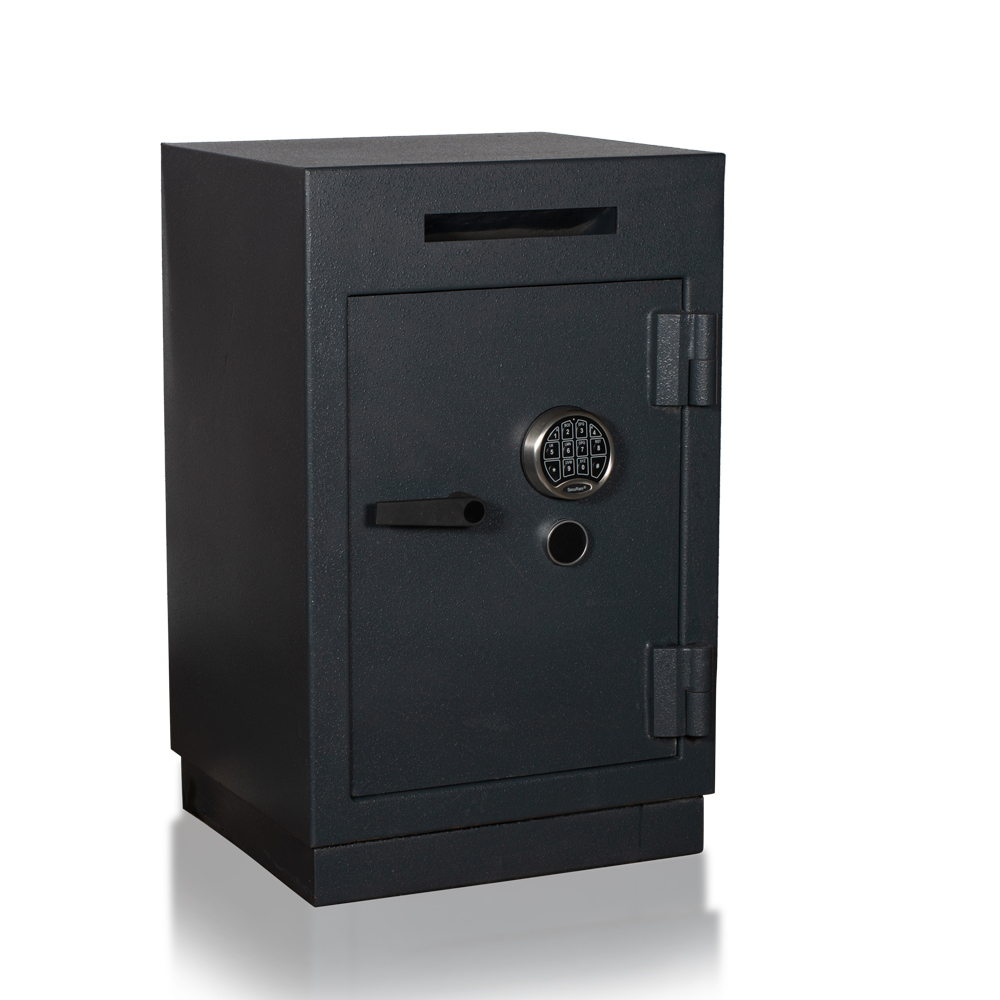
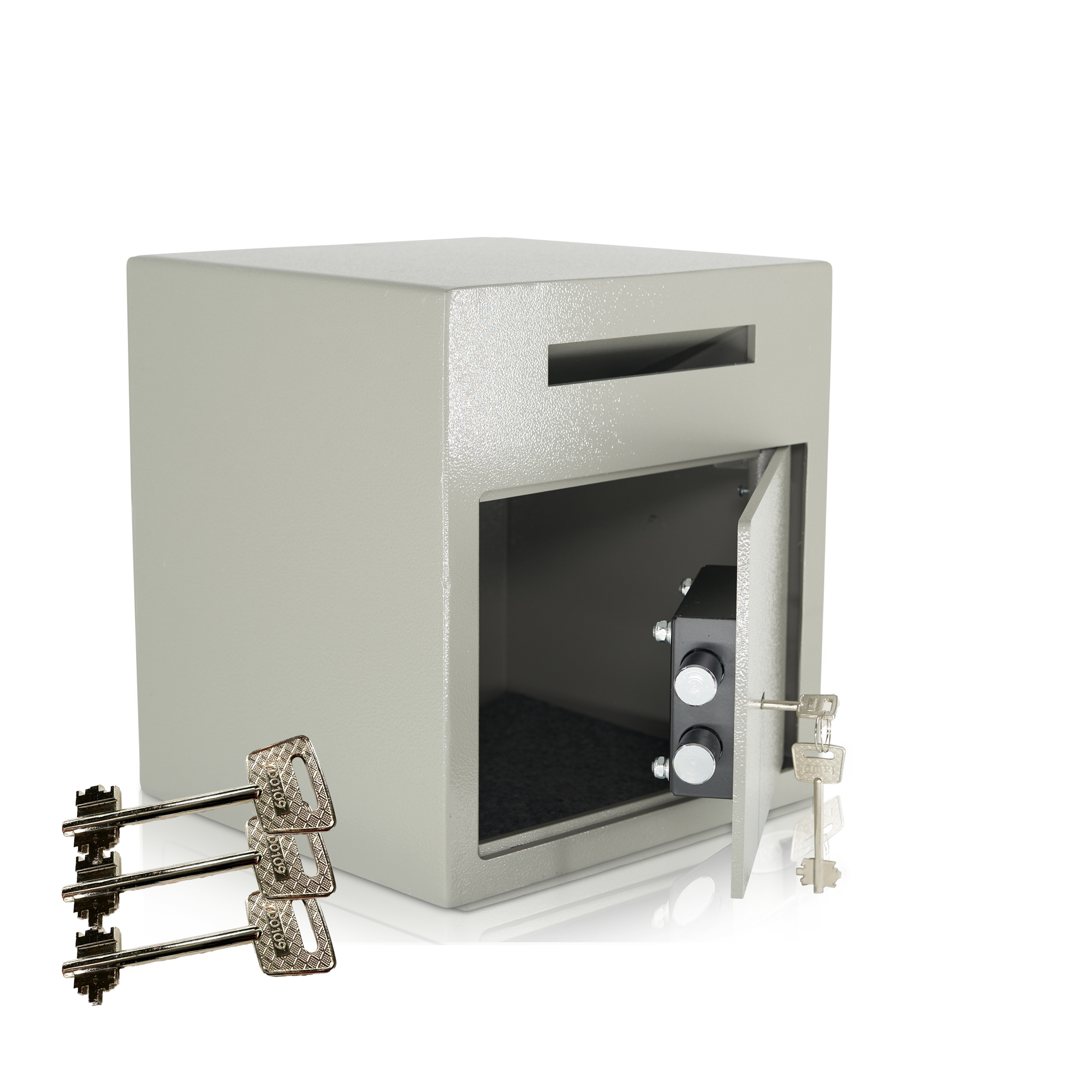
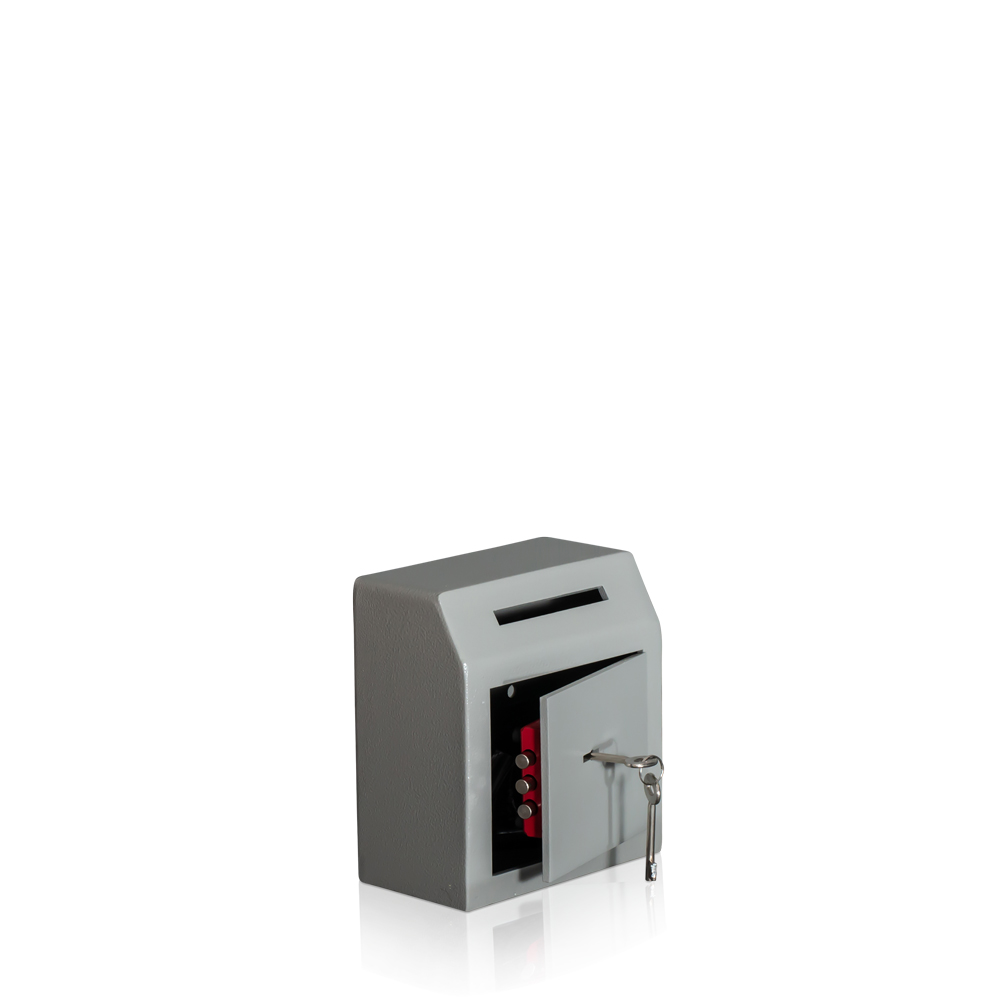
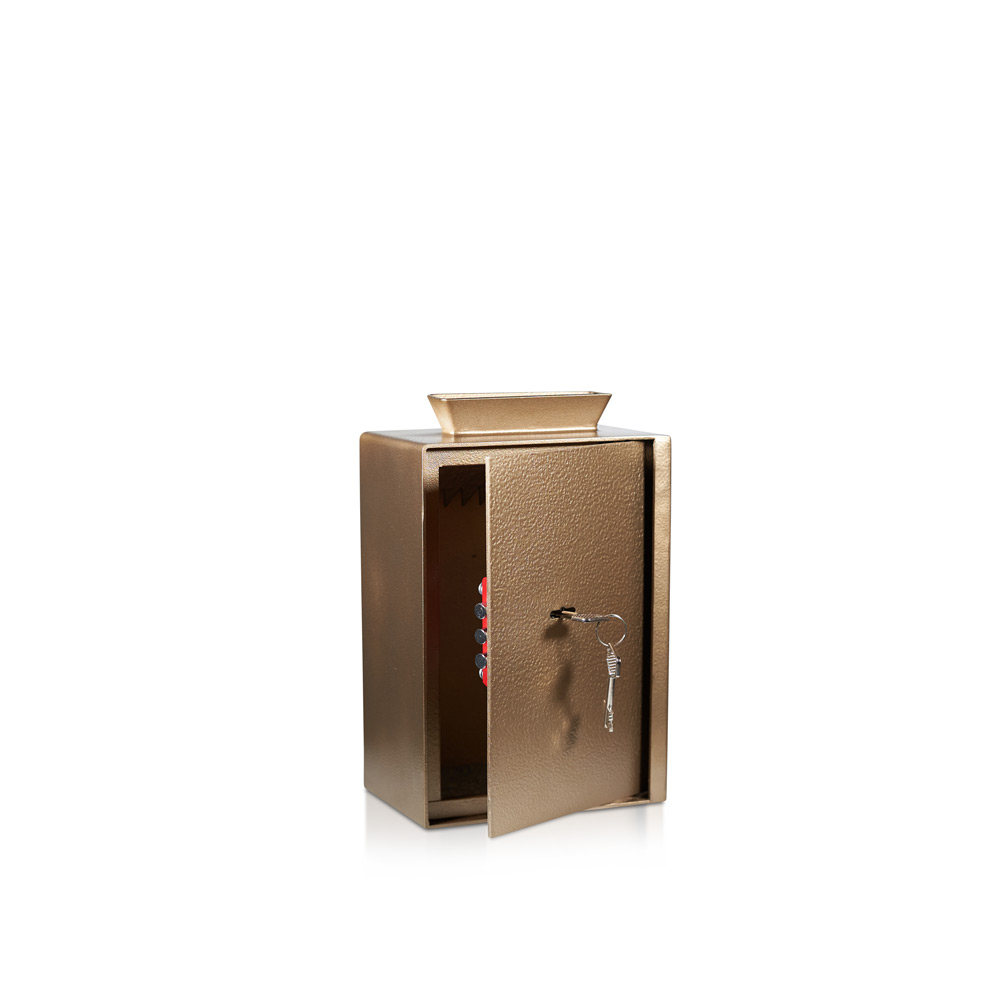
Better: drop cash regularly into a deposit safe - directly in the till area. This way the money is immediately secured and no longer freely accessible.
Mistake 2: Safe with walls that are too thin
Many cheap safes look adequate at first glance, but consist of just 1-2 mm thin steel walls. Such models can quickly be prised open or damaged with tools. They are unsuitable for professional security.
Better: look for solid construction. A safe with at least a 3 mm body and a 5 mm door provides considerably more resistance and reliably protects even during burglary attempts. Additionally, the higher weight provides extra security in operation.
Mistake 3: Safe without a deposit system
A safe without a slot or flap forces staff to keep opening it constantly. This increases the risk of misuse, is impractical and slows down processes.
Better: safes with a deposit system (slot or deposit flap) allow immediate deposit, without the safe having to be opened. This way cash stays secure and day-to-day operation becomes easier.
Mistake 4: Insecure key storage
Even the best safe is of little use if the key is left lying around or accessible to several people. In many businesses keys are found in office drawers or even right next to the till - a considerable risk.
Better: use PIN-code locks or store keys securely and separately. This restricts access to the safe's interior to authorised persons only.
Mistake 5: Wrong placement of the safe
A safe that is freely visible and not anchored offers hardly any protection. Attackers can carry it off or force it open. In a visible till area it also unnecessarily draws thieves' attention to its location.
Better: always anchor safes firmly into the floor or wall and integrate them unobtrusively. Ideal placement is directly under the counter or inside furniture, so guests don't notice it.
Conclusion
Anyone who avoids these five mistakes considerably reduces the risk of theft and burglary. The most secure option is deposit safes, which secure cash immediately - independently of shift changes or customer traffic. This way the money stays protected and trust within the business is maintained.
Frequently asked questions on cash storage
What are the most common mistakes when storing cash?
The most common mistakes include: cash in open drawers, safes with walls that are too thin, missing deposit systems, insecure key storage and wrongly placed safes.
What is the best way to secure cash in a business?
The best solution is a deposit safe. It allows the immediate deposit of cash, protects takings from unauthorised access and considerably reduces the risk of theft or robbery.
Which safe construction is particularly secure?
We recommend safes with at least a 3 mm body and a 5 mm door. This construction offers a good compromise between stability and handling and reliably protects cash against attacks.