Slot vs. Flap – Which Deposit System Fits Your Business?
Anyone looking for a deposit safe will come across two designs: models with a slot and models with a flap. Both allow secure deposits without opening the safe, but they are designed for different contents and workflows.
The key difference: a slot is for flat, lightweight deposits, while a flap is for larger, thicker or heavier items such as cash bags or key envelopes.
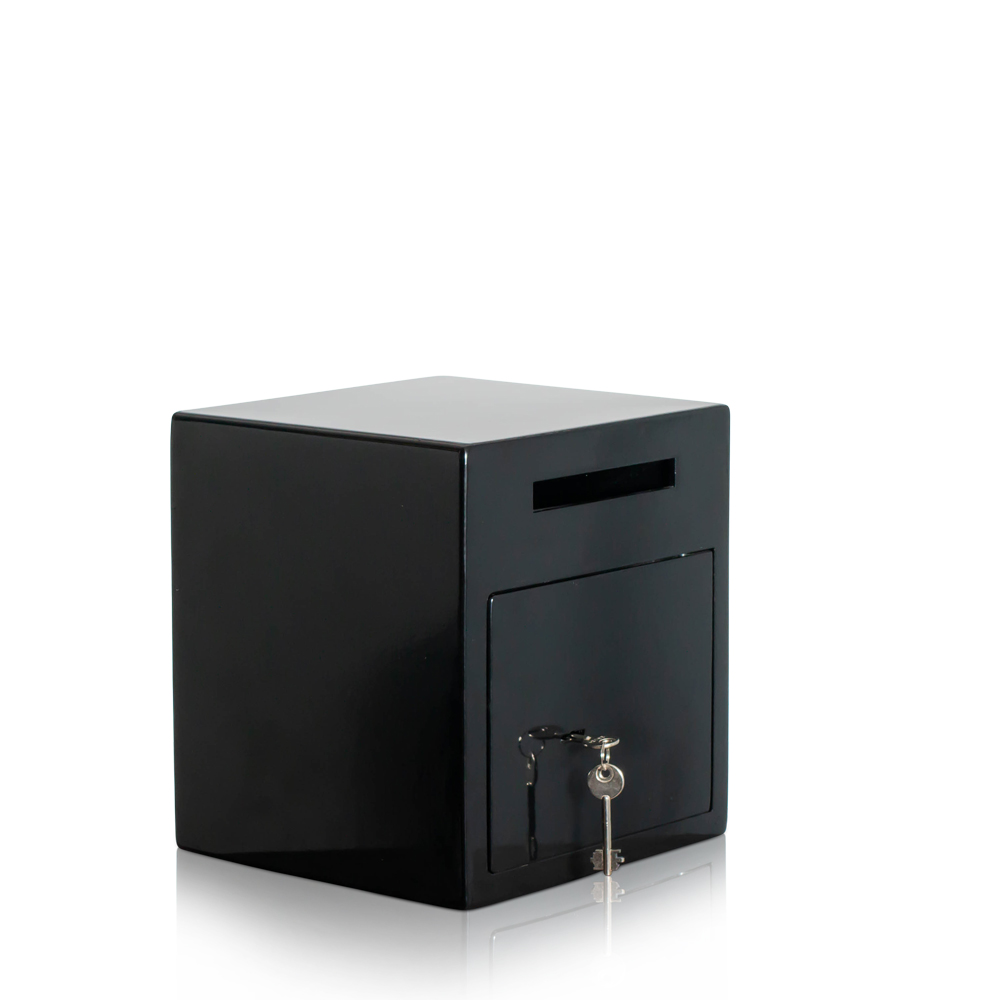
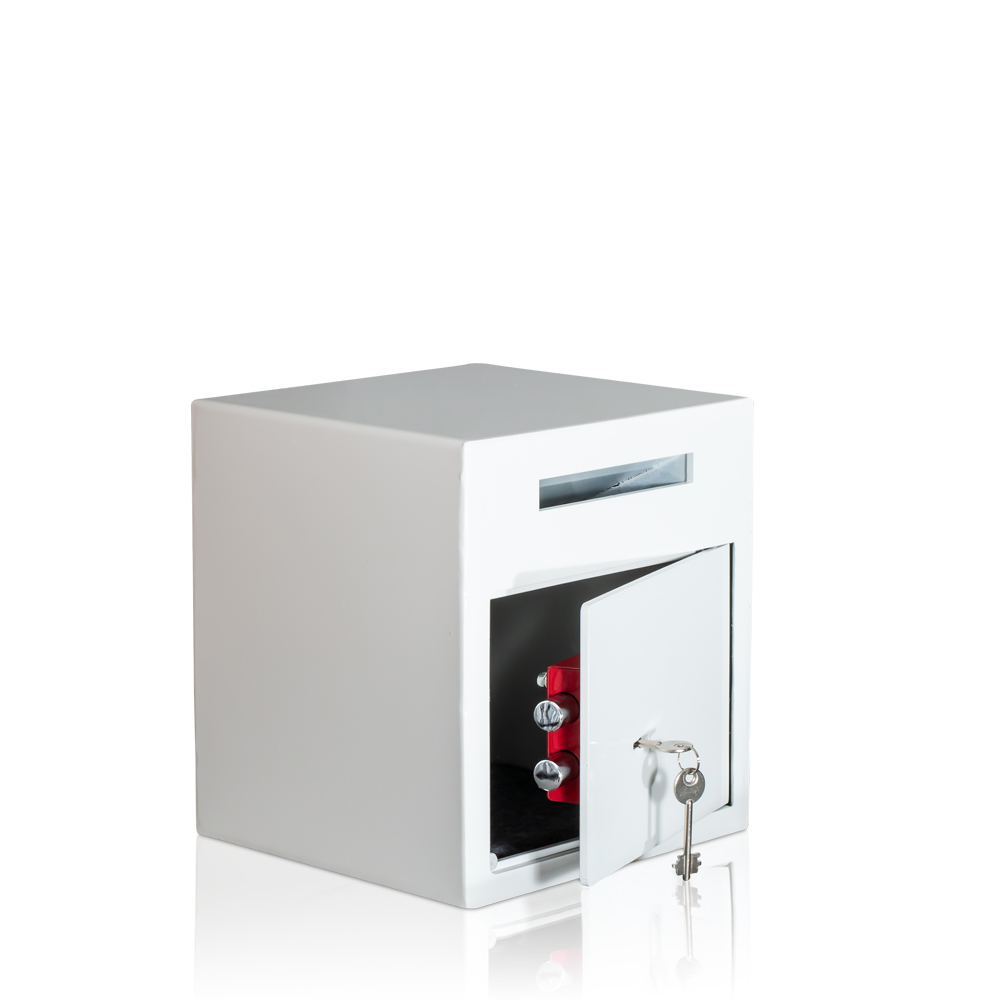
Slot – for banknotes, small amounts of coins and flat documents
The slot is ideal for frequent small deposits. Typical contents include:
- flat envelopes
- banknotes
- small amounts of coins
- receipts and small documents
Important: no keys and no heavy cash bags. These can jam or damage the mechanism.
A slot is perfect where mostly daily takings in notes are deposited:
- bars
- restaurants
- kiosks and small hospitality businesses
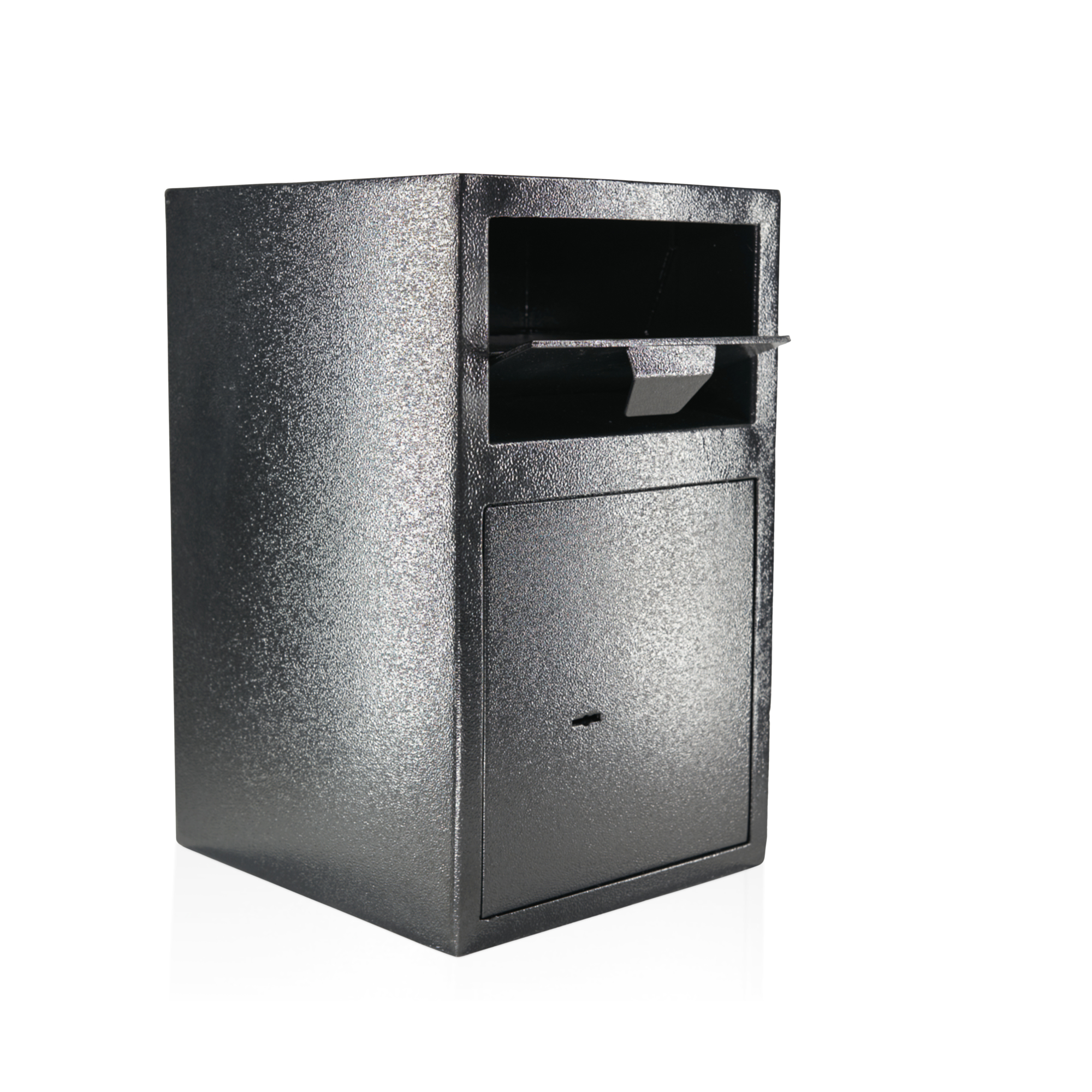
Flap – for cash bags, safebags, car keys and large coin volumes
A flap accepts much larger and heavier items. You open the flap, place the item inside, and the mechanism transports it safely into the safe.
Typical contents:
- cash bags and safebags
- large volumes of coins
- car keys and key envelopes
- thick envelopes or bundles of receipts
Flap deposit safes are used where large amounts of coins or complete cash bags are deposited:
- bakeries
- workshops and service businesses
- retail stores with cash-bag handovers
Which version fits your business?
In simple terms:
- Slot: ideal for bars, hospitality and businesses handling mainly notes and a small amount of coins.
- Flap: ideal for bakeries, workshops and any business that deposits cash bags, safebags, key envelopes or large amounts of coins.
Know what you need to deposit – and the choice becomes clear: a slot for flat, light items, and a flap for heavier or bulky contents.